
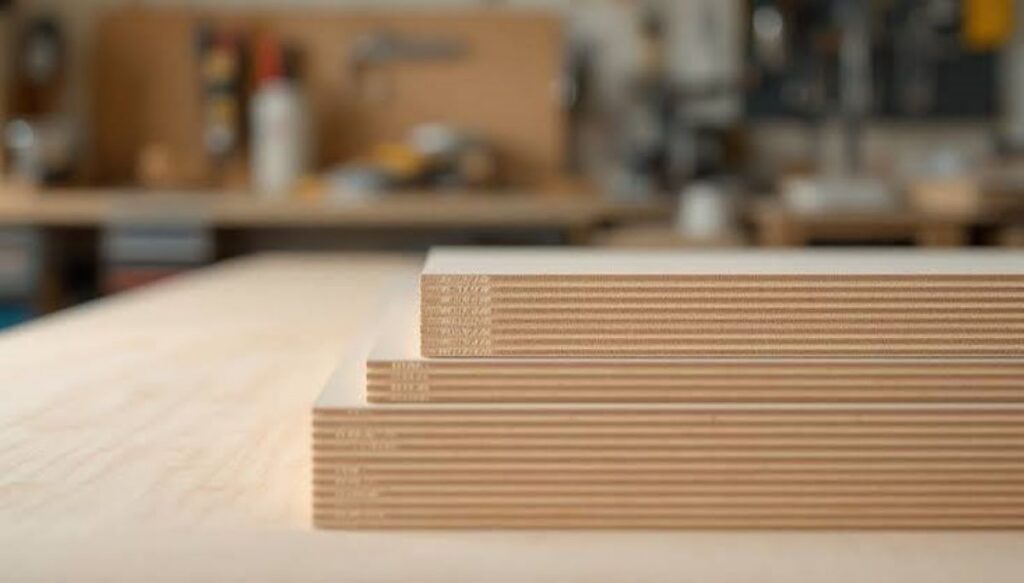
Builders and designers across Australia keep coming back to one thing when the load matters but budgets still exist. F14 plywood sits in that practical middle ground. It is a stress grade plywood commonly used for bracing, flooring, roof diaphragms, formwork, and general structural sheeting, especially where engineered design is calling the shots.
This guide sticks to what people actually need on site. Sizes, spans, specs, and the little gotchas that show up in real Australian projects.
What is F14 plywood, in plain terms?
F14 plywood is structural plywood graded to an F rating under Australian standards, indicating a characteristic stress grade for design. In simple terms, it is made for structural applications where a known strength level is required.
They will usually see it supplied as CD or DD face grades, with an A Bond (exterior type) glue line for durability.
Which Australian standards and markings should they look for?
They should look for stamps referencing AS/NZS 2269 (structural plywood) and often AS 6669 (plywood formwork) where relevant. A structural stamp typically includes the manufacturer, bond type (A Bond), stress grade (F14), thickness, and sometimes treatment or durability notes.
If the sheet has no legible stamp, it is a risk. Most certifiers and engineers will not accept mystery ply on structural work.
What sizes does F14 plywood come in across Australia?
Most suppliers in Australia carry the standard sheet size of 2400 x 1200 mm, because it suits framing grids and transport. Some yards also stock 2700 x 1200 mm for long runs, and occasionally 1800 x 1200 mm for easier handling.
Thickness is where it gets more variable, depending on the application and what the local timber merchant keeps in volume. “
What thicknesses are common, and what do they suit?
Common thicknesses seen on Australian sites include 12 mm, 15 mm, 17 mm, 19 mm and 25 mm. Thin sheets tend to show up in bracing and linings, while thicker sheets are used for floors, platforms, webs, and formwork.
If the job is structural, they should match thickness to the engineer’s design, not a rule of thumb from the aisle label.
What are the typical specifications they will see on a datasheet?
A typical spec set will mention stress grade F14, A Bond glue, and a structural plywood manufacturing standard. It may also reference veneer species mix, moisture resistance, and face grade such as CD.
In Australia, they will often see guidance about installation to AS 1684 (residential timber framing) where it relates to bracing and diaphragm action.
How does F14 compare with F17 or other structural plywood grades?
The jump from F14 to F17 is not marketing. It is a higher stress grade, which can allow longer spans or higher loads for the same thickness, depending on the design model.
That said, F14 plywood is widely available and often chosen when the spans are moderate or the structure is conservative. On cost sensitive projects, it can be the sensible pick if the engineer signs off.
What spans can they expect for floors, roofs, or bracing?
They should treat spans as design dependent because load, fixing, joist spacing, sheet orientation, and edge support all change the answer. As a rough guide only, thicker sheets and tighter joist spacing increase allowable spans.
For any structural floor or roof diaphragm, the engineer will specify span, thickness, and fastener schedule together. F14 plywood does not work in isolation. It works as a system.
What affects span performance the most on Australian sites?
Joist spacing and edge support usually matter more than people expect. A sheet that feels bouncy often has poor edge support, missing noggins, or the wrong orientation, not “weak plywood”.
Moisture is another big one. If sheets get soaked in a Brisbane summer storm and are installed wet, swelling and fastener loosening can reduce stiffness and create squeaks later.
Which way should they lay the sheets for maximum strength?
They should lay the long direction of the sheet across the supports, so the face grain runs perpendicular to joists or rafters. This is basic, but it is also where mistakes happen in tight corners or rushed fit-offs.
With F14 plywood, correct orientation is one of the easiest ways to avoid unnecessary deflection without changing thickness.
What fixings and edge gaps are generally expected?
They should follow the project details, but common practice is ring shank nails or screws suitable for structural sheathing, installed to a defined spacing pattern. Adhesive may be specified on floors to reduce squeaks and add stiffness.
Edge gaps are important in Australian conditions. They will often allow a small expansion gap at sheet edges to account for humidity changes, rather than butting sheets tight.
Is F14 plywood suitable for external use in Australia?
It can be, but only in the right context. Many sheets are A Bond, meaning the glue line is durable, but that does not automatically make the whole sheet suitable for permanent weather exposure.
If it is used externally, they will typically need proper sealing, flashing details, and a build-up that prevents trapped moisture. For coastal areas like Newcastle or the Sunshine Coast, corrosion-resistant fixings become non-negotiable.
What about termite treatment and durability ratings?
In termite-prone regions, they may need termite management measures rather than relying on sheet treatment alone. Some plywood is sold with preservative treatment, but that depends on the supplier and product line.
They should check the stamp and paperwork. If the job is in places like Cairns, Townsville, or many parts of WA, termite design is part of the broader system, not just the sheeting choice.
Can they use F14 plywood for formwork and concrete pours?
Yes, it is commonly used, but formwork performance depends heavily on face grade, thickness, support spacing, and release practices. Some projects call up formwork-specific plywood compliant with AS 6669, and that is where they should start.
If they use F14 plywood for formwork, they should expect wear at edges, surface checking, and reduced re-use unless it is sealed and handled carefully.
What are the common face grades, and do they matter structurally?
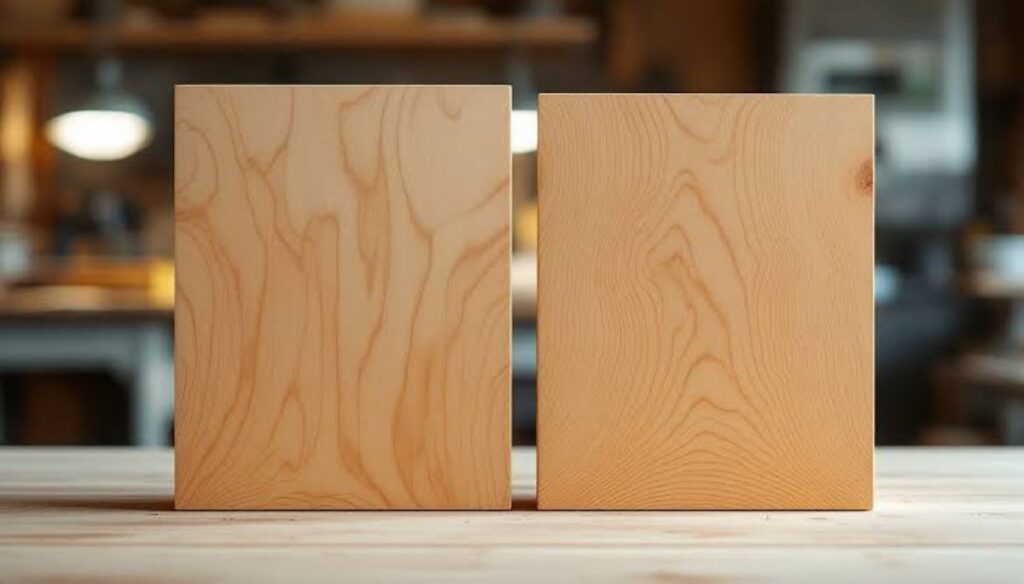
Face grades like CD, DD, or better mainly describe appearance and the allowable natural features on the faces. Structurally, the stress grade is doing most of the heavy lifting, but face grade still affects finishing and surface durability.
For painted internal linings, they may want a better face. For hidden bracing behind cladding, CD is often fine.
How do they estimate sheet weight for handling and transport?
Weight depends on thickness and timber species mix. As a general site reality, a 2400 x 1200 mm sheet gets noticeably awkward once they move into the high teens and twenties in thickness, especially for one person.
For safe handling, they should plan mechanical help or two-person lifts for thicker F14 plywood sheets, particularly on second storey builds or tight scaffolding runs.
See Also : Why White Plywood Is Worth Getting Right
Where do they typically buy F14 plywood in Australia?
They will usually find it at trade timber yards, specialist plywood suppliers, and major hardware chains, though stock depth varies by region. Metro Sydney, Melbourne, and Perth tend to have broader thickness availability, while some regional areas carry only the faster moving sizes.
If consistency matters across multiple sites, they should stick to one supplier line and request product certificates up front.
How can they avoid the most common spec and install mistakes?
They should confirm the stamp, confirm the thickness, and confirm the fixing schedule matches the design. Substituting a different sheet because “it was close” can break compliance, especially for bracing and diaphragm designs.
Moisture protection during storage helps too. F14 plywood left on the ground, unwrapped, will twist the schedule later when sheets swell, cup, or delaminate at damaged edges.
What is the quick checklist before they specify or install it?
They should check the engineering notes, the product stamp, and the site exposure conditions. Then they should match sheet thickness and fasteners to the design, not the other way around.
A short list that actually works on site is below:
- Confirm it is stamped F14 plywood and references AS/NZS 2269
- Confirm A Bond if moisture exposure is possible
- Confirm thickness and sheet orientation to supports
- Provide edge support and expansion gaps
- Follow the fastener type and spacing schedule exactly
Used properly, F14 plywood is one of those boring materials that quietly holds a building together. Which is sort of the point.
FAQs (Frequently Asked Questions)
What is F14 plywood and where is it commonly used in Australian construction?
F14 plywood is a structural plywood graded to an F rating under Australian standards, indicating a characteristic stress grade suitable for engineered design. It is commonly used for bracing, flooring, roof diaphragms, formwork, and general structural sheeting where a known strength level is required.
Which Australian standards and markings should I look for when purchasing F14 plywood?
Look for stamps referencing AS/NZS 2269 (structural plywood) and sometimes AS 6669 (plywood formwork). A proper structural stamp includes the manufacturer, bond type (typically A Bond), stress grade (F14), thickness, and any treatment or durability notes. Sheets without legible stamps pose a risk and are usually not accepted by certifiers or engineers.
What sizes and thicknesses of F14 plywood are commonly available in Australia?
Standard sheet sizes are typically 2400 x 1200 mm, with some suppliers offering 2700 x 1200 mm or 1800 x 1200 mm. Common thicknesses include 12 mm, 15 mm, 17 mm, 19 mm, and 25 mm. Thinner sheets are used for bracing and linings, while thicker sheets suit floors, platforms, webs, and formwork. Thickness should always match the engineer’s design specifications.
How does F14 plywood compare to higher grades like F17 in terms of performance and cost?
F17 plywood has a higher stress grade than F14, allowing longer spans or higher loads at the same thickness based on design requirements. However, F14 is widely available and often chosen for moderate spans or conservative structures. It can be a cost-effective option if approved by the engineer.
What factors affect the span performance of F14 plywood on site?
Span performance depends heavily on joist spacing, edge support, sheet orientation (face grain perpendicular to supports), load conditions, fixing methods, and moisture exposure. Poor edge support or incorrect orientation often causes bouncy floors rather than weak plywood itself. Moisture can reduce stiffness by causing swelling and fastener loosening.
Is F14 plywood suitable for external use in Australia?
F14 plywood with A Bond glue line can be used externally but requires proper sealing, flashing details, and moisture management to prevent damage. In coastal areas like Newcastle or the Sunshine Coast, corrosion-resistant fixings are essential. Termite treatment may also be necessary depending on the region.