This guide breaks down the most common HVAC options in Sydney and how to compare them without getting lost in specs.
What does “HVAC” mean in Sydney homes and businesses?
hvac sydney typically refers to heating, ventilation, and air conditioning systems. In Sydney, it usually includes split systems, ducted air conditioning, multi-split setups, and sometimes hydronic or gas heating, plus ventilation where needed.
For many properties, “HVAC” effectively means choosing a cooling system that can also heat efficiently through reverse cycle.
Which heating and cooling systems are most common in Sydney?
Reverse-cycle air conditioning is the most common because it covers both heating and cooling. Split systems dominate apartments and smaller homes, while ducted systems are popular in larger houses and offices.
Evaporative cooling is far less common in Sydney than in drier states because humidity reduces its effectiveness.
Is a split system or ducted air conditioning better?
A split system is often better when they need one or two rooms conditioned efficiently without major building work. Ducted is often better when they want whole-home comfort, hidden vents, and a cleaner look.
Split systems are typically cheaper to install and easier to replace. Ducted systems cost more upfront and can be less efficient if they cool or heat unused rooms without zoning.
What is a multi-split system, and when does it make sense?
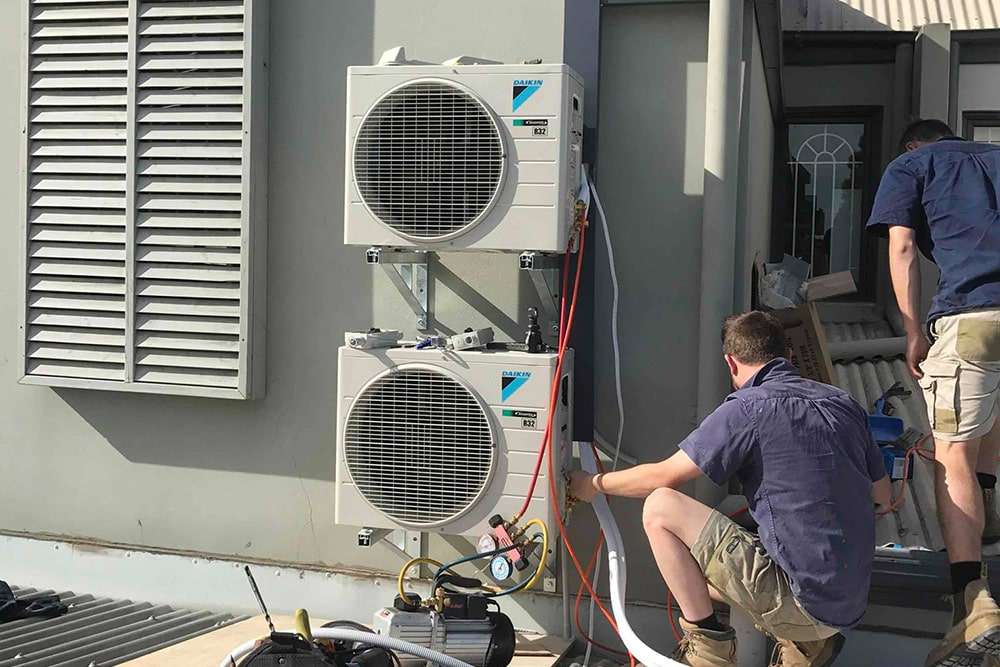
A multi-split connects multiple indoor units to one outdoor unit. It suits homes where they want room-by-room control but cannot place multiple outdoor units due to space, strata, or aesthetic limits.
It can be a good middle ground between split and ducted, though installation complexity and cost can rise as more indoor units are added.
How does reverse-cycle air conditioning perform in Sydney winters?
Reverse-cycle (heat pump) systems generally perform well in Sydney’s winter conditions. They move heat rather than generate it directly, so they can be efficient compared with many electric resistance heaters.
Performance still depends on correct sizing, outdoor unit placement, and how well the home holds heat. Poor insulation can make any heating system feel underpowered.
Are gas heaters still worth considering in Sydney?
Gas heating can still suit some properties, especially where they already have gas and prefer the feel of radiant warmth. However, many households choose reverse-cycle instead due to efficiency, installation simplicity, and the ability to cool in summer.
Their best choice depends on running costs, the property’s layout, and whether they want one system for both seasons.
What role does ventilation play in HVAC choices?
Ventilation matters when they want better indoor air quality, moisture control, and fewer stale smells, especially in tighter homes. Bathrooms, kitchens, and some bedrooms may need mechanical extraction or balanced ventilation to manage condensation.
In humid weather, good ventilation helps, but uncontrolled outside air can also add moisture. That is why the right balance, and sometimes dehumidification, becomes important.
Should they prioritise zoning for ducted systems?
Yes, zoning is often one of the biggest comfort and cost levers in ducted HVAC. Zoning lets them heat or cool only the areas in use, which can reduce energy waste and improve comfort.
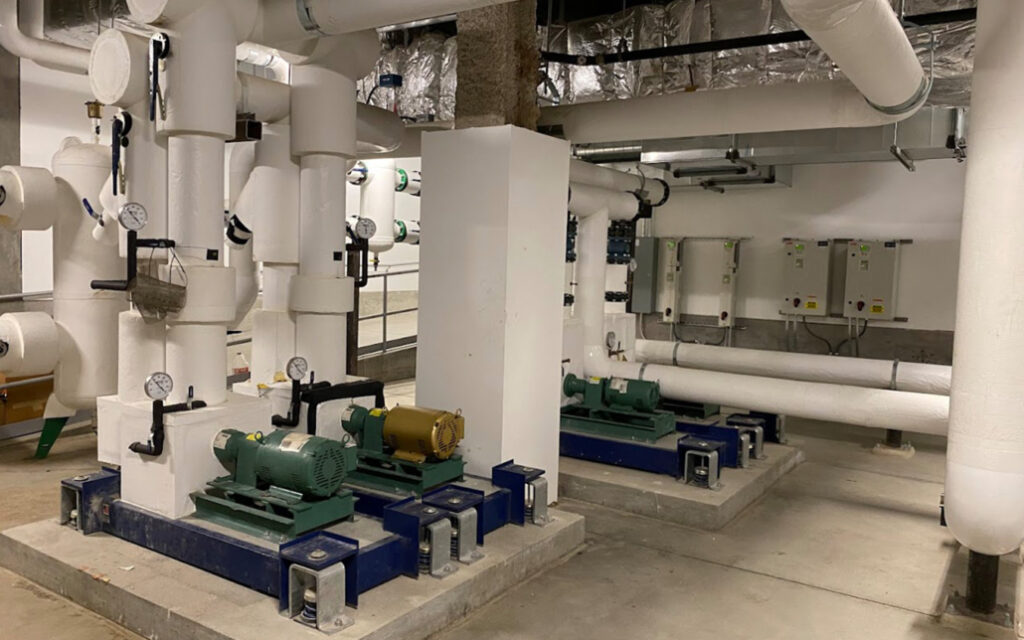
If zoning is not designed well, it can create airflow noise, pressure issues, or uneven temperatures. They should ask how many zones are recommended and how the system manages excess air pressure.
How do they choose the right system size without overspending?
Correct sizing is about heat load, not just floor area. Oversized systems can short-cycle, feel clammy in summer, and wear components faster. Undersized systems can run constantly and still miss the target temperature.
They should look for providers who assess insulation, ceiling height, window size, sun exposure, and room usage. A quick quote without these questions can be a red flag.
What features matter most for Sydney’s humidity and heat?
In Sydney, humidity control can matter as much as temperature. They should look for systems with strong dehumidification performance, sensible fan control, and inverter compressors for steadier operation.
If the home feels sticky even when cool, it is often an airflow, sizing, or runtime issue. A system that runs longer at lower power can remove more moisture than one that blasts cold air briefly.
How can they reduce HVAC running costs in Sydney?
They can reduce costs by improving insulation, sealing gaps, and shading windows before upgrading equipment. HVAC efficiency depends heavily on the building envelope, especially in older homes.
Using timers, sensible set points, and zoning also helps. Regular filter cleaning and periodic servicing keep airflow healthy, which supports efficiency and comfort.
What should they ask an HVAC installer before committing?
They should ask what system type best fits the layout and why, how sizing was calculated, and whether zoning is included. They should also ask about warranty terms, service access, and expected noise levels for both indoor and outdoor units.
It helps to confirm electrical requirements, drainage for condensate, and where outdoor units will sit. A clear written scope reduces surprises during installation.
What is the simplest way to pick an HVAC option with confidence?
They can start by deciding whether they need comfort in one area or the whole property. From there, split, multi-split, and ducted options become easier to compare on price, efficiency, appearance, and control.
In most Sydney homes, reverse-cycle is the default shortlist. The best outcome usually comes from correct sizing, good zoning, and a home that is sealed and insulated well enough for the system to do its job.
FAQs (Frequently Asked Questions)
What does HVAC mean in Sydney homes and businesses?
HVAC stands for heating, ventilation, and air conditioning. In Sydney, it typically refers to systems like split systems, ducted air conditioning, multi-split setups, hydronic or gas heating, plus ventilation where needed. Most properties rely on reverse-cycle systems that efficiently provide both heating and cooling.
Which heating and cooling systems are most common in Sydney?
Reverse-cycle air conditioning is the most common choice in Sydney because it offers both heating and cooling. Split systems are popular in apartments and smaller homes, while ducted systems suit larger houses and offices. Evaporative cooling is less common due to Sydney’s humid climate reducing its effectiveness.
Should I choose a split system or ducted air conditioning for my Sydney home?
Split systems are ideal for efficiently conditioning one or two rooms without major building work and are generally cheaper to install and replace. Ducted systems provide whole-home comfort with hidden vents and a cleaner look but cost more upfront and can be less efficient if zoning isn’t used properly to avoid heating or cooling unused rooms.
How does reverse-cycle air conditioning perform during Sydney winters?
Reverse-cycle (heat pump) systems perform well in Sydney’s mild winter conditions by moving heat rather than generating it directly, making them more efficient than many electric resistance heaters. Their performance depends on correct sizing, outdoor unit placement, and good home insulation to retain heat effectively.
What role does ventilation play in Sydney HVAC choices?
Ventilation improves indoor air quality, controls moisture, and reduces stale odors—especially important in tighter homes. Areas like bathrooms and kitchens may need mechanical extraction or balanced ventilation to manage condensation. Proper ventilation balances humidity levels; uncontrolled outside air can add moisture, so sometimes dehumidification is also necessary.
How can I reduce HVAC running costs in Sydney?
Reducing running costs involves improving your home’s insulation, sealing gaps, and shading windows before upgrading your HVAC system. Efficient use of timers, sensible temperature set points, zoning to condition only occupied areas, regular filter cleaning, and periodic servicing all contribute to maintaining airflow health and overall system efficiency.
See Also: Air conditioner installation costs in Sydney explained