
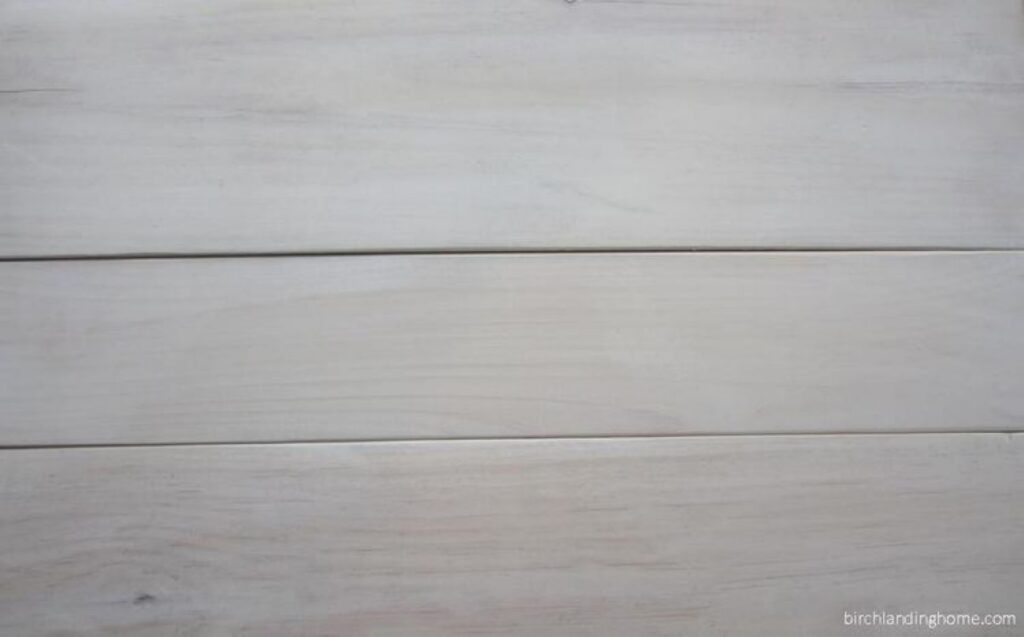
There is something deceptively simple about a clean, white sheet material. It looks calm. It looks finished. And then it shows every scuff, every uneven join, every rushed decision.
That is why white plywood is one of those products that rewards doing it properly. When it is specified well, stored well, cut cleanly, and finished with care, it can look high end for years. When it is not, it can age fast. In Australian homes, shops, and fitouts, the difference is obvious.
Is white plywood actually different from regular plywood?
Yes. White plywood is still a structural panel at heart, but it is made to be seen.
Most commonly it is plywood with a factory white face, either a melamine style surface, a laminate, or a pre primed paintable face. The core can vary a lot, and that matters. The white face tends to highlight core voids, telegraphing, and edge issues more than a timber veneer would.
Where does white plywood make the most sense in Australian projects?
It fits anywhere a project needs a bright, clean look without going full painted MDF.
In Australia, it shows up constantly in wardrobes, laundry cupboards, children’s rooms, retail joinery, wall panelling, caravan interiors, and office storage. People like it because it gives a modern look and can reduce painting time. Builders like it because it can be repeatable if the supply and spec stay consistent.
What are people really buying when they choose white plywood?
They are buying surface quality and time savings, not just a sheet.
With white plywood, the face finish is often the selling point, but the core is what decides whether it stays flat and stable. A good sheet means fewer call backs, less patching, less repainting, and less arguing about whose fault the chips are. Cheap sheets can still look fine on day one, then punish the project later.
How do they choose the right grade without getting lost?
They should start with the visible face requirement, then match the core to the job.
If the panel is for a cabinet carcass, a tough white face and stable core matter more than perfect edges. If it is for a feature panel, the face uniformity and join lines matter a lot. In Australian supply chains, the same product name can hide different grades over time, so they should confirm the actual specification, not just the label.
Does moisture matter if the face is already sealed?
Yes, because the core and edges still move, and edges are where panels usually fail.
Even when white plywood has a sealed face, water can get in through screw holes, cut edges, and damaged corners. Australian laundries, coastal homes, and café fitouts are hard on sheet goods. The fix is boring but effective. Seal edges, plan for ventilation, and keep panels off concrete floors on site. Simple habits, big difference.
Other Resources : Coal Mining Safety and Health Regulation
What should they look for in the surface finish?
They should check consistency, chip resistance, and how the finish behaves at the edges.
Not all white faces are equal. Some are tougher and more scratch resistant, others mark easily and show burnishing. A quick reality check helps. Can it handle backpacks in a hallway joinery run, or barista traffic behind a counter? With white plywood, the white colour can also shift between batches, so they should compare sheets under similar light.
Are the edges meant to be exposed or covered?
Either can work, but they need to choose the edge strategy early.
Exposed edges can look sharp, especially with a clean ply stripe, but the white face makes edge imperfections more obvious. Edge banding gives a crisp, uniform look, but it adds labour and needs the right adhesive and trimming. Many Australian cabinetmakers will mock up one corner first, because white plywood can behave differently depending on core density.
How do they avoid chipping when cutting and machining?
They should use the right blade, the right feed, and support the sheet properly.
Chipping is the fastest way to make white plywood look cheap. A sharp, fine tooth blade and correct scoring setup reduces breakout. On a track saw, they should use a splinter guard and keep the rail clean. On a panel saw or CNC, they should dial in tooling and feeds. And yes, handling matters too. Sliding sheets across each other can scratch the face.
Is it paintable, or should they leave it as is?
It depends on the face type, and guessing usually ends badly.
Some white plywood is designed to be the final finish. Painting it can fail if the surface is non-porous or has release agents. If it is a primed paint grade sheet, it can paint beautifully, but it still needs proper sanding and the right topcoat. In Australian conditions, durable water-based enamels are common for low odour interiors, but prep is what makes it last.
How can they keep the white looking clean over time?
They should treat it like a finished surface, because it is one.
White shows everything. In family homes, retail, and hospitality, routine cleaning matters. They should avoid harsh abrasives that dull the sheen, and test cleaners first. Felt pads, soft close hardware, and careful installation also help, because most damage is impact damage, not stains. Done right, white plywood stays bright, not tired.
Does white plywood help with light and space in interiors?
Yes, it can, and that is part of why designers keep coming back to it.
In smaller Australian apartments, beach houses, and narrow corridors, reflective white surfaces can lift the room without adding visual clutter. White plywood also pairs well with black hardware, pale timbers, and concrete floors, which are common local looks. It can feel warm and practical at the same time, which is a tricky combination to pull off.
What are the common mistakes that make white plywood look bad?
They usually come down to rushing the edges, ignoring storage, and mixing batches.
If sheets are stored flat in a dry place, they stay flatter. If they are left on site leaning, they can bow. If edges are left raw in wet areas, they swell. And if the installer mixes sheets from different deliveries, the whites can mismatch under Australian daylight. White plywood is unforgiving like that. It rewards planning, not improvising.
Is it worth paying more for better white plywood?
Often, yes, because the cost is not just the sheet, it is the labour around it.
A better sheet can mean fewer rejects, less touch up, cleaner joins, and faster installs. On joinery, labour is usually the expensive part, especially in metro Australian markets like Sydney, Melbourne, Brisbane, Perth, and Adelaide. If the project needs a consistent, durable white finish, better white plywood can be the cheaper option in the end.
What should they confirm before ordering?
They should confirm face type, core type, thickness tolerance, and batch consistency.
They should also confirm whether it is suitable for the environment, especially for kitchens, laundries, and coastal builds. Asking for a sample sheet or at least a face sample is smart. So is checking lead times, because local availability can change quickly. With white plywood, getting the spec right up front is what prevents patchwork fixes later.
So why is white plywood worth getting right?
Because it is one of those materials that looks simple but behaves like a finish, not a frame.
When white plywood is chosen well and handled properly, it gives a clean, modern result with less fuss and a long service life. When it is chosen poorly, the issues are visible every day. For Australian projects that want light, durable joinery without constant maintenance, it is absolutely worth doing properly, right from the first sheet.
Related : Formply: What the Numbers Actually Mean
FAQs (Frequently Asked Questions)
Is white plywood different from regular plywood?
Yes, white plywood is a structural panel designed to be seen, often featuring a factory white face such as melamine, laminate, or a pre-primed paintable surface. Unlike regular plywood, its core quality varies significantly and the white face highlights imperfections like core voids and edge issues more than timber veneer.
Where is white plywood most commonly used in Australian projects?
White plywood is popular in Australian homes and commercial spaces for wardrobes, laundry cupboards, children’s rooms, retail joinery, wall panelling, caravan interiors, and office storage. It offers a bright, clean look without the need for full painted MDF and provides a modern aesthetic while reducing painting time.
How should I select the right grade of white plywood for my project?
Start by considering the visible face requirements and then match the core to the intended application. For cabinet carcasses, focus on a tough white face with a stable core rather than perfect edges. For feature panels, uniformity of the face and join lines are crucial. Always verify actual specifications as product names can mask different grades over time.
Does moisture affect white plywood even if its face is sealed?
Yes. Although the face may be sealed, moisture can penetrate through screw holes, cut edges, and damaged corners causing movement or failure in the core and edges. In moisture-prone areas like laundries or coastal homes, it’s essential to seal edges properly, ensure good ventilation, and keep panels off concrete floors during storage.
What should I look for in the surface finish of white plywood?
Check for consistent colour, chip resistance, and how the finish holds up at edges. Some finishes are tougher and more scratch-resistant while others mark easily or show burnishing. Also compare sheets under similar lighting conditions as batch-to-batch colour variation can occur.
How can I avoid chipping when cutting or machining white plywood?
Use sharp blades with fine teeth suited for scoring cuts and maintain proper feed rates. Support sheets correctly during cutting to prevent breakout. On track saws use splinter guards; on panel saws or CNC machines dial in tooling precisely. Handle sheets carefully to avoid scratches from sliding them against each other.